The “Inti Raymi” or “Fiesta del Sol” was undoubtedly the largest, most important, spectacular and ostentatious festival that took place in pre-Hispanic times; It was destined to worship the Sun or “Inti”, it was celebrated every winter solstice, June 21. Its celebration lasted 15 days, in which there were dances, ceremonies and sacrifices.
The Inti Raymi festival in Cusco 2021 is a festival of the God of the Sun and Patchamama (Mother Earth), the main gods of the Inca civilization. These gods were considered to be the creators of everything that exists. They rule over the destinies of humanity and the universe!
This Inti Raymi in Cusco 2021 is the most luxurious, largest and colorful celebration to be held in Cusco, since it was originally dedicated to an Inca ruler, considered a demigod for his people. The Sun was to be worshiped and sacrifices were offered to prevent it from leaving Earth and its children during its long journey, while ensuring its return, providing warmth and joy.
An interesting question is when is Inti Raymi celebrated? It is because it is celebrated on June 24 today, while the actual celebration took place on June 21, a winter solstice in the southern hemisphere. It was moved on the 24th probably because to avoid it it would merge with other Christian holidays.
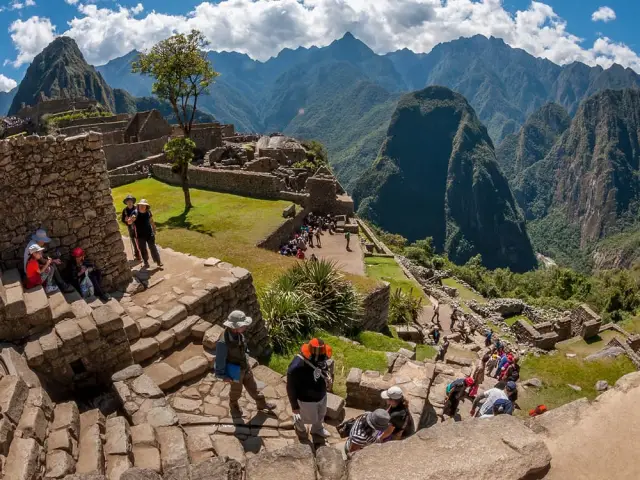
This 2021 Inti Raymi in Perú takes you not only to the famous Inti Raymi celebration, but also invites you to continue to the splendid Sacred Valley of the Incas and the jewel of the Inca: Machu Picchu.
At present this Inti Raymi 2021 Perú is celebrated every June 24 in the esplanade of Sacsayhuaman in the city of Cusco – Peru and the inhabitants of Cusco together, national and foreign tourists come to the place to witness the staging of said Andean ceremony in memory of its millenary origin and cradle of the Great Inca Civilization.
Important data:
- Tour time: 6 hours.
- Guide service in Spanish or English.
- Pick up from the hotel door.
- Includes entrance to the ‘Green Zone’ of the Inti Raymi.
- Includes lunch ‘box lunch’.
Description of the Festival:
On June 24, the party in honor of the Sun God takes place in the three historical and natural settings that are usually used for staging:
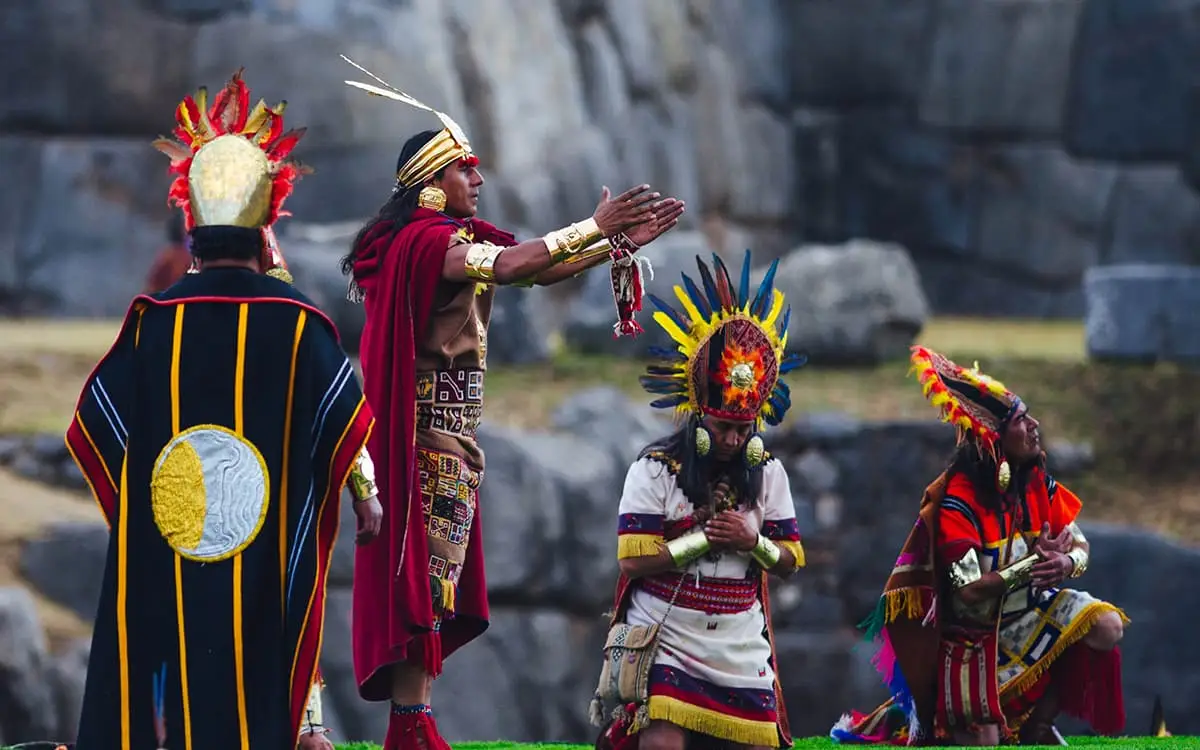
The Qorikancha (Golden fence): In Inca times it was the main temple dedicated to the sun. At 9:00 am the Fiesta del Sol begins. The performance takes place in the so-called Golden Garden. It begins with the appearance of the Inca. The first rituals offer coca leaves, llamas, alpacas and more. It lasts approximately 45 minutes to then go to the Plaza de Armas.
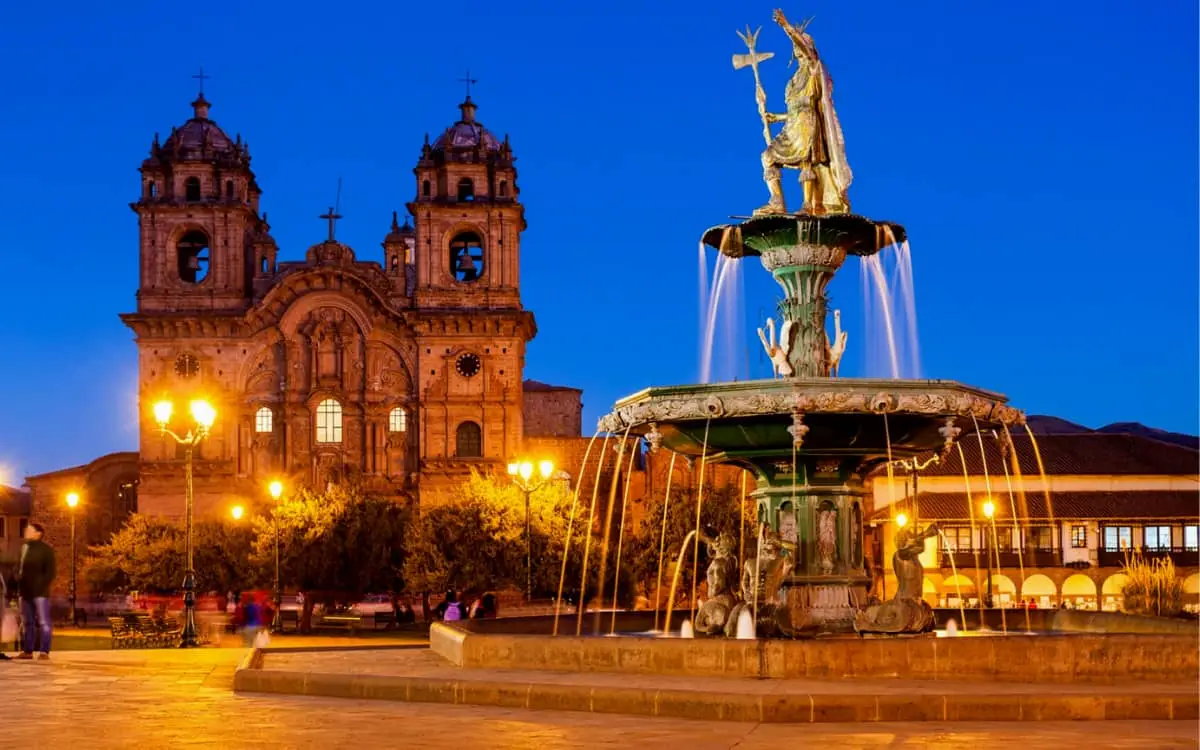
The Plaza de Armas (the old Auqaypata or Plaza del Guerrero): During the Inca Empire, in this immense plaza the ceremony was fully developed in the middle of the great ushnu or ceremonial platform. The Inca is loaded on litters by eight servants and performs the so-called Coca Ceremony, the act lasts approximately 1 hour and then goes to Sacsayhuaman.
Saqsayhuaman (voice that derives from the Quechua terms “saqsay” and “waman” which translated into Spanish means “saciate falcón”). This impressive archaeological center is located at 3,555 meters above sea level, one kilometer from the Inca neighborhood of Qolqanpata. The Chuquipampa esplanade in the Sacsayhuaman fortress is the main setting for the Inti Raymi performance. This place enjoyed great importance during the Inca period.
Inti Raymi history:
The Inti Raymi (in Quechua ‘Sun Festival’) was an ancient Andean religious ceremony in honor of the Inti (the sun god) that took place every June 24 of every year until today, every solstice of winter in Cusco, the capital of Tawantinsuyo, between the final period of the harvest and the beginning of the winter equinox in the Andes, that is, in the second half of June. The Inti Raymi at the time of the Inkas was the equivalent of what the New Year’s party is for us today. The solar celebration was a festival in which a new year began and ended the entire previous agricultural year between the months of May or June, and at the same time the new agricultural cycle began from the month of July.
During the time of the Incas, the Inti Raymi was the most important of the four festivals celebrated in Cusco, according to the Inca Garcilaso de la Vega (1539-1616), and indicated the middle of the year as well as the mythical origin of the Inca. It lasted 15 days, in which there were dances and sacrifices. The last Inti Raymi with the presence of the Inca emperor was made in 1535.
In 1572 the viceroy Francisco de Toledo (1515-1584) forbade it as a pagan ceremony and contrary to the Catholic faith. It continued to be carried out clandestinely.
With more than sixty years of existence, the new Inti Raymi is now an inseparable part of the life of Cusco.